Best Beaches in North Carolina: Outer Banks to Sunset
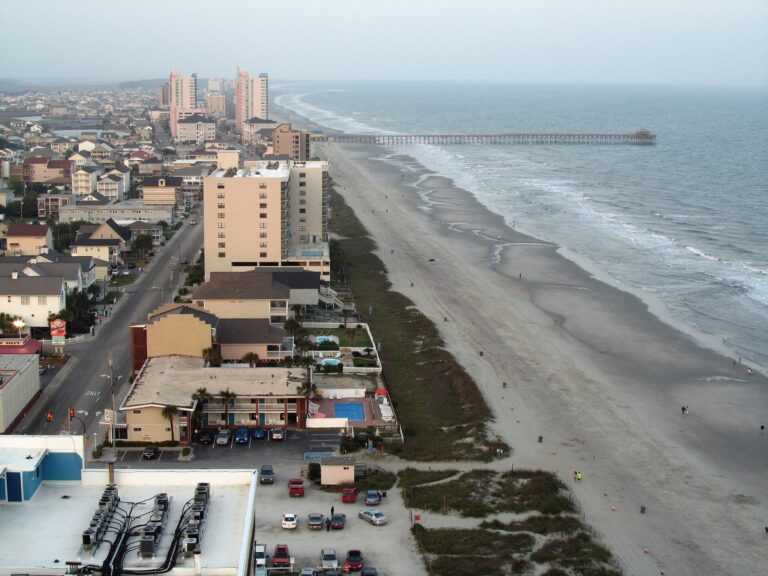
North Carolina has more than 300 miles of ocean coastline, and none of it feels quite the same. The Outer Banks are wind-blown and wild, the Crystal Coast is calm and family-friendly, and the southern islands run on golf carts and beach chairs. Choosing the best beach comes down to one question: what kind of day do you want?
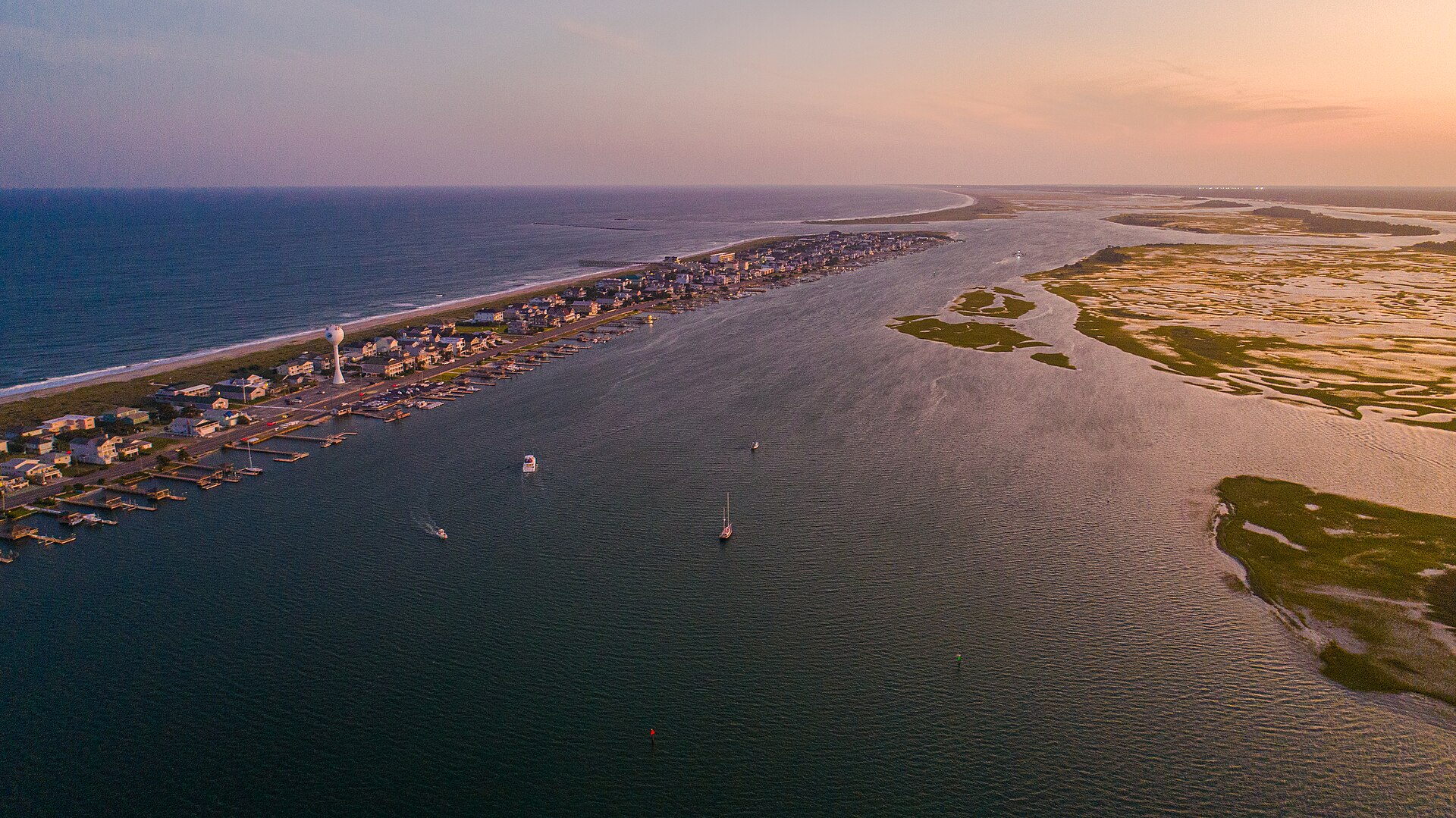
The best beaches in North Carolina are Ocracoke and Cape Hatteras for wild, empty sand, Wrightsville Beach for surfing and easy city access, Emerald Isle and Topsail Island for families, Bear Island and Masonboro Island for solitude, and Bald Head Island for a car-free escape.
The list runs north to south, and each entry tells you who it suits and what could trip you up. Watch for the boat-only beaches, because those are the ones people come back for.
| If you want | Go to |
|---|---|
| Wild horses | Corolla or Shackleford Banks |
| Empty sand and big skies | Ocracoke or Cape Lookout |
| Easy family days | Emerald Isle, Topsail, Holden or Oak Island |
| Surfing | Wrightsville Beach or Kitty Hawk |
| A boardwalk | Carolina Beach |
| No crowds at all | Bear Island or Masonboro Island |
| No cars at all | Bald Head Island |
The Outer Banks
Corolla: Best for Wild Horses

At the northern end of the Outer Banks, Corolla is known for its Spanish mustangs and wide-open sand. The first beach accesses come before the four-wheel-drive section, so you don’t need a special vehicle for a regular beach day. To see the horses, join a guided tour unless you have a proper 4WD, and keep your distance, because they’re wild and protected.
Duck and Kitty Hawk: Best for Easy Family Trips

Families love Duck, and sunrise here is lovely, but its beach accesses have no public parking, so it really only works if you’re staying nearby. Kitty Hawk is a bit more flexible, with good surf, plenty of restaurants and the Wright Brothers memorial nearby.
Nags Head: Best for Classic Outer Banks Fun

Busy, wide and full of things to do, Nags Head has Jennette’s Pier and sits close to the giant dunes of Jockey’s Ridge. Pick it if you want the beach, plus something to do when it rains. Expect summer crowds, and take care when swimming, because currents can be strong along this coast.
Pea Island and Buxton: Best for Quiet Sand

Farther south on Cape Hatteras National Seashore, Pea Island has limited parking and a short walk to the beach, with good birdwatching. Buxton is quiet and close to the Cape Hatteras Lighthouse, with far fewer people than the northern towns. Down here, the Outer Banks start to feel really remote.
Ocracoke: Best for Getting Away From It All

Often at the top of lists like this one, Ocracoke has a long beach that’s undeveloped and uncrowded. You’ll reach it by ferry, and the Hatteras ferry is free, though summer waits can be long. Driving on the sand requires a permit and a 4WD. Rent a bike in the village and leave the rest of your plans at home.
Cape Lookout and the Crystal Coast
Cape Lookout and Shackleford Banks: Best for Adventure

Cape Lookout National Seashore is a 56-mile stretch of undeveloped barrier islands, and you can only reach it by boat from places like Beaufort or Harkers Island. Nobody sells anything out there, so pack water, food and shade. Shackleford Banks is known for shelling and one of the last wild horse herds on the coast.

Give the horses plenty of room. They’re wild animals, and you’ll get a much better photo from a respectful distance anyway.
Atlantic Beach: Best for History With Your Sand

Atlantic Beach has multiple public access points and sits close to Fort Macon State Park, where you can pair a swim with a walk around a pre-Civil War brick fort. Bring the family for an easy beach day with something else to see.
Emerald Isle: Best for Summer Vacations

Emerald Isle is one of the most popular family beaches in the state, and summer gets busy. Parking can be tight in the favorite spots, including The Point, so plan on arriving early. In exchange, you get pretty water, wide sand and a relaxed vacation town.
Bear Island: Best for Solitude

You can only reach this undeveloped island at Hammocks Beach State Park by boat or paddle, or by the park’s seasonal ferry when it’s running. Get there in the morning, walk away from the landing, and you may have a whole stretch of beach to yourself. Bring everything you need, including shade, because you’ll find little out here.
The Cape Fear Coast
Topsail Island: Best for Shelling

With about 26 miles of coastline shared by North Topsail, Surf City and Topsail Beach, this island draws people looking for shells and shark teeth. The calm sound side suits boating and fishing, and Serenity Point at Topsail Beach is the place for a quiet walk. You’ll find it more laid-back than the busier beaches nearby.
Wrightsville Beach: Best for Surfing and Paddleboarding

The closest beach to downtown Wilmington, Wrightsville has about five miles of sand, along with surf lessons, paddleboarding and Johnnie Mercer’s Pier. The beach is clean and lively, but parking is the main challenge. Get there early, and bring some way to pay for parking.
Masonboro Island: Best for a Boat Day

Just south of Wrightsville, Masonboro Island is undeveloped and protected, and you’ll need a boat, kayak tour or water taxi to reach it. Expect wildlife, shells and quiet. Carry out everything you bring in, because the island has no facilities at all.
Carolina Beach: Best for Boardwalk Fun

With its boardwalk food stands, including the famous Britt’s Donuts, Carolina Beach is where families go for an old-school seaside trip. Carolina Beach State Park is close by too, so you can swim in the morning and look for wild Venus flytraps in the afternoon.
Kure Beach: Best for a Quiet Family Day

Next door, Kure Beach is relatively quiet and family-friendly, with what’s described as the oldest fishing pier on the Atlantic coast. Fort Fisher and the North Carolina Aquarium are close, so you’ve got a backup plan if it rains.
The Brunswick Islands
Bald Head Island: Best for a Car-Free Escape

Bald Head Island has no cars, so you’ll take the ferry from Southport and get around by golf cart or bike. You’ll find quiet, wide beaches and Old Baldy, the state’s oldest standing lighthouse. It costs more than most of the beaches on this list, but you’ll feel like you’ve really gotten away.
Oak Island: Best for a Laid-Back Stay
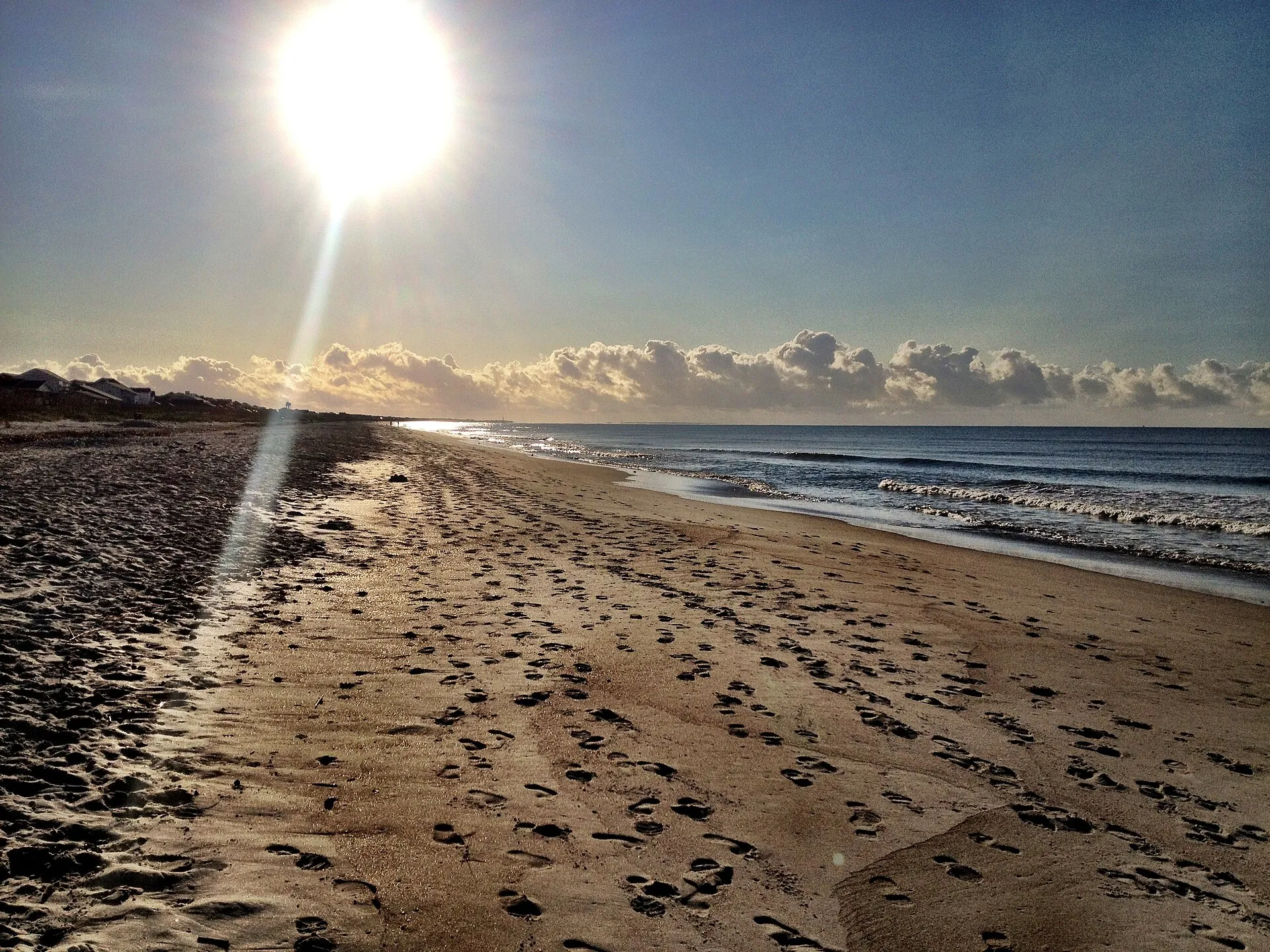
Oak Island is relaxed and uncrowded by coastal standards, with two fishing piers and views of Bald Head Island from Caswell Beach. The Town of Oak Island charges for parking from April 1 to September 30, so factor that in. Summer brings sea turtle season, one of the most memorable things you can see on this coast.
Holden Beach: Best for Old-Fashioned Quiet

Known as the family beach of North Carolina, Holden Beach is mostly homes, without much commercial development. Bring a stack of books. You’ll find a few restaurants near the bridge and not much else, and regulars like it that way.
Ocean Isle Beach: Best for Sea Turtle Lovers

Known for its canals, parks and sea turtle nesting, Ocean Isle is a lovely family island in the far south of the state. The local sea turtle protection group monitors nests and hatchings during the season. Follow their guidance, especially around lights at night.
Sunset Beach: Best for a Walk to Somewhere Special

North Carolina’s southernmost barrier island is known for its pier and the salt marsh on Bird Island, with summer educational walks. A long walk to the island’s far end is a local tradition, and you won’t find a better way to end a day at the coast. Our full guide covers the best things to do in Sunset Beach.
How to Stay Safe at North Carolina Beaches
Rip currents are the real danger on this coast, and they can be strong on otherwise beautiful days. Swim near a lifeguard where you can, pay attention to the beach flags, and never swim alone. If you’re caught in a current, swim parallel to shore until you’re out of it.
Don’t walk on the dunes, because the plants hold them together. Fill in any holes you dig, and turn off bright lights near the beach during sea turtle season, which officially runs from May to November on Oak Island.
When to Visit North Carolina’s Beaches
Summer is warm and busy, and the water is at its best from June to September. For fewer crowds and still-warm water, try September or early October, though you’ll want to keep an eye on hurricane forecasts. Spring is lovely for walks and shelling, but the water will be cold. Town rules vary on parking, dogs and vehicles, so read up on them for the beach you choose.
Where to next? See the best places to visit in North Carolina for the bigger picture. You can also browse all our travel guides on Decidel.
How we checked this guide: access details and rules were checked against official and published sources in November 2026. They can change, so confirm with the town or park before you go.