Things to Do in Arizona: 30 Best Places & Attractions
Arizona is a huge, varied state, and the best trips here mix big landscapes with small towns. In one week you can stand on the rim of the Grand Canyon, walk through a slot canyon on Navajo land, hike among Sedona’s red rocks and finish in the Sonoran Desert among giant saguaros. Distances are long, so plan by region and give yourself time to stop.
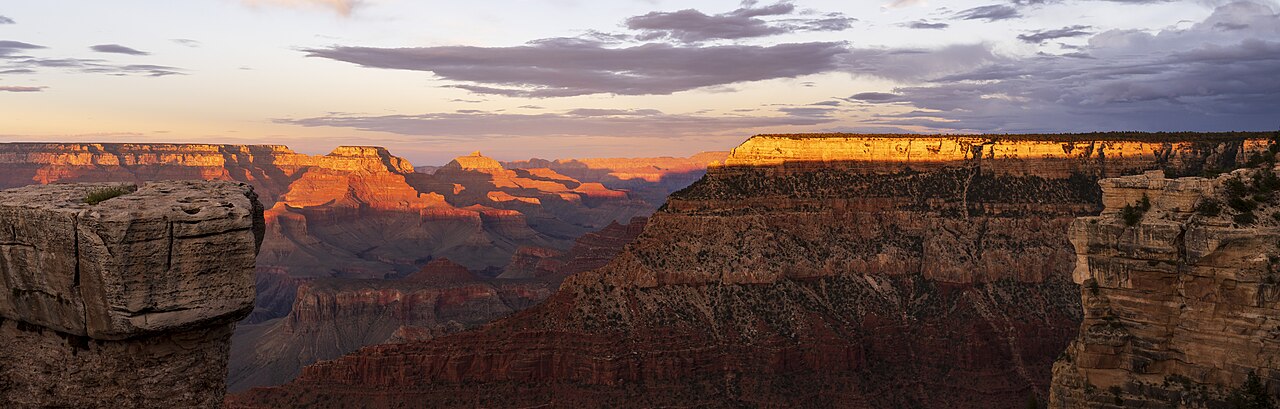
The best things to do in Arizona are seeing the Grand Canyon, touring Antelope Canyon, standing above Horseshoe Bend, driving through Monument Valley, hiking in Sedona, walking among saguaros in Saguaro National Park, visiting Montezuma Castle, exploring Jerome and Bisbee and seeing where the gunfight happened in Tombstone.
The list runs roughly north to south: the Grand Canyon and the Navajo Nation first, then Flagstaff and Route 66, Sedona and the Verde Valley, Phoenix, and finally Tucson and the southeast.
1. See the Grand Canyon from the South Rim

The Grand Canyon’s South Rim is open all year, and it’s where most visitors first see the canyon, at Mather Point near the main visitor center. Walk the paved Rim Trail between viewpoints, ride the free shuttle buses, and drive the Desert View road east for more overlooks. Grand Canyon National Park charges an entrance fee per vehicle, and rooms inside the park book up months ahead.
2. Ride the Grand Canyon Railway

The Grand Canyon Railway runs from Williams to Grand Canyon Village, with a departure at 9:30 a.m. and a few hours at the rim before the ride back. It saves you the parking hunt at the South Rim on busy days. Book the class of car you want ahead, and plan a night in Williams on Route 66.
3. Visit the Grand Canyon’s North Rim

The Grand Canyon’s North Rim is higher, cooler and quieter than the South Rim, and it’s a seasonal trip. In 2026 it reopened in May after the 2025 Dragon Bravo Fire, with no overnight lodging in the park and some areas still closed, and the park listed it as open for the day through November 30 or the first big snowstorm. Check the park’s North Rim status page before you make the long drive.
4. Walk Out to Horseshoe Bend

Horseshoe Bend is a curve in the Colorado River just south of Page, where the water loops around a sandstone point about 1,000 feet below the rim. The walk from the parking lot is about 0.6 mile each way. The City of Page runs the lot and charges its own parking fee, so a national parks pass doesn’t cover it.
5. Tour Antelope Canyon

Antelope Canyon is a slot canyon on the Navajo Nation near Page, and you can visit only with a licensed Navajo tour company. Upper Antelope Canyon is known for the light beams that fall to the sandy floor around midday in summer, while Lower Antelope Canyon has ladders and narrower passages. Book well ahead and check the Navajo Nation Parks list of approved operators.
6. Get Out on Lake Powell

Lake Powell is the long reservoir behind Glen Canyon Dam, with red rock walls dropping straight into blue water. Take a boat tour from the marinas near Page, rent a kayak, or plan a houseboat trip for several days. Water levels change a lot from year to year, so ask which ramps and tours are running.
7. Drive Through Monument Valley
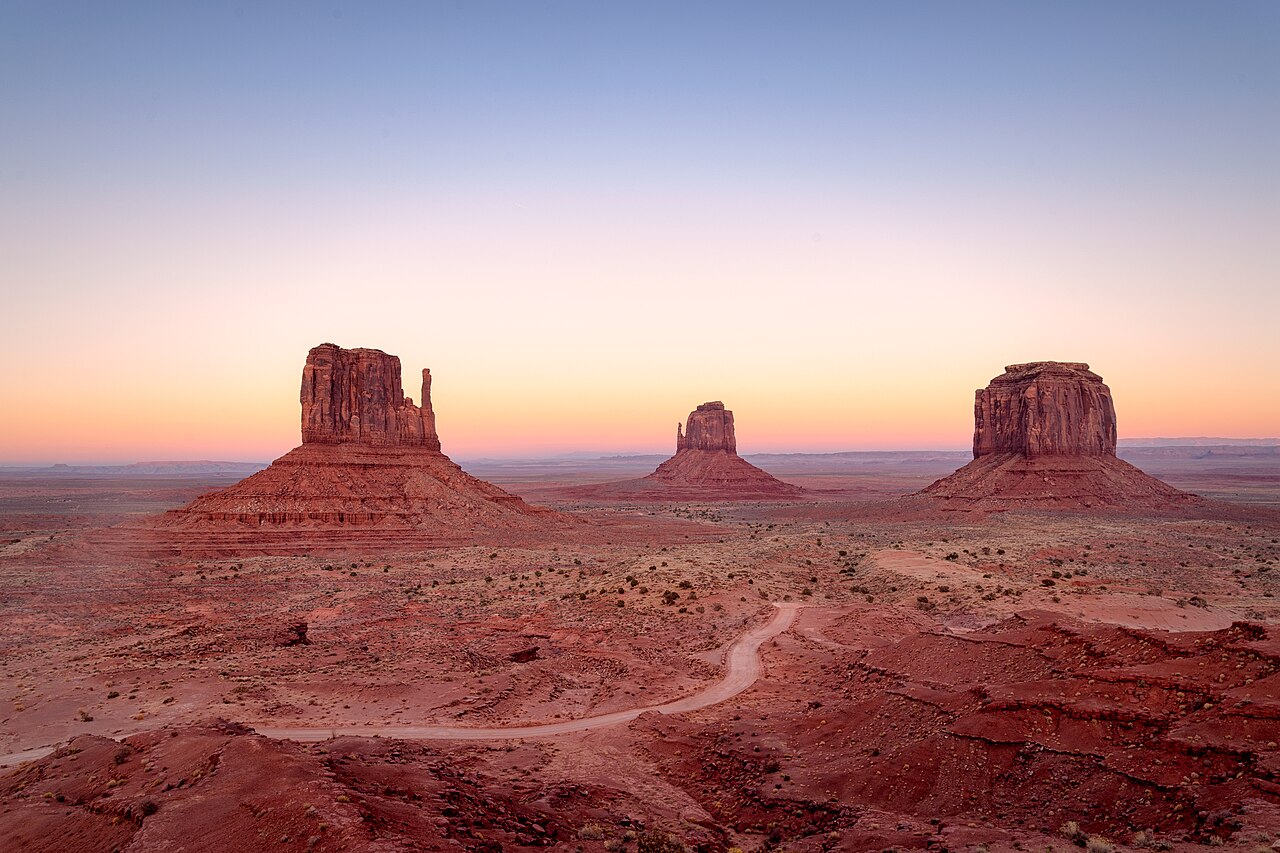
Monument Valley Navajo Tribal Park straddles the Arizona and Utah line, and its sandstone buttes are some of the most familiar views in the American West. A 17-mile dirt road loops past the Mittens, Merrick Butte and other formations, and Navajo guides lead tours into areas you can’t drive alone. Stay for sunset, when the buttes glow red.
8. Look Into Canyon de Chelly

Canyon de Chelly National Monument, near Chinle on the Navajo Nation, protects deep sandstone canyons where Navajo families still live. There’s no entrance fee to drive the two rim roads and stop at the overlooks. The White House Trail is the one trail you can walk on your own, so check that it’s open, and you’ll need a Navajo guide to go anywhere else in the canyon.
9. Explore Petrified Forest National Park

Petrified Forest National Park, along I-40 in eastern Arizona, holds huge logs of fossilized wood and the colorful hills of the Painted Desert, in rock that records more than 200 million years. Drive the park road from end to end, stopping at Blue Mesa and Crystal Forest. Leave every piece of petrified wood where it is, because taking it is illegal.
10. Stand on the Corner in Winslow

Winslow is a small Route 66 town made famous by the Eagles song “Take It Easy,” and the Standin’ on the Corner Park downtown is a favorite photo stop. Snap your picture, then step into La Posada, a restored 1930 railroad hotel. It’s an easy break on the long drive along I-40.
11. Look Into Meteor Crater

Meteor Crater, east of Flagstaff off I-40, is about a mile wide and 550 feet deep, left by an impact about 50,000 years ago. The crater is privately owned, with a visitor center and viewing decks. Wind on the rim can be strong, so hold onto your hat.
12. Stargaze at Lowell Observatory

Lowell Observatory sits on Mars Hill in Flagstaff, and it’s where astronomers discovered Pluto in 1930. Visit in the evening to look through telescopes on the open deck, since Flagstaff was the world’s first International Dark Sky City. Dress warmly, because Flagstaff is at 7,000 feet and nights are cold even in summer.
13. Visit Sunset Crater and Wupatki

Sunset Crater Volcano and Wupatki national monuments share one loop road north of Flagstaff. Walk the lava flow trail at the foot of the cinder cone, then drive on to Wupatki’s red stone pueblos, a busy center of trade in the early 1100s. Allow half a day for the full loop.
14. Drive Route 66 Through Seligman

Seligman is one of the best-kept stretches of old Route 66, with neon signs, souvenir shops and old cars along the main street. Stop at Delgadillo’s Snow Cap for a burger and the jokes at the counter. Keep driving west toward Kingman for one of the longest stretches of the old road still in use.
15. Hike to Cathedral Rock in Sedona

Cathedral Rock is one of Sedona’s best-known red rock formations, and the trail up it is short and steep, with scrambling near the top. In busy seasons the free Sedona Shuttle serves the trailhead and the lot closes to cars, so check the schedule. For an easier view, walk along Oak Creek at Red Rock Crossing.
16. Visit the Chapel of the Holy Cross

The Chapel of the Holy Cross is a Catholic chapel built in 1956 into the red rock buttes south of Sedona. Walk up the ramp for views over the valley and step inside for a quiet minute. Parking is limited, so expect a short wait on busy days.
17. Slide Down Oak Creek at Slide Rock State Park

Slide Rock State Park sits in Oak Creek Canyon north of Sedona, on a historic apple farm, and its natural sandstone water slide is a summer favorite. The rock is slippery, so wear water shoes. Arrive early on hot weekends, because the park can fill, and check creek conditions, since fire and floods affected the canyon in 2026.
18. See Montezuma Castle

Montezuma Castle National Monument protects a five-story, 20-room cliff dwelling set in a limestone wall near Camp Verde. A short paved loop leads past the cliff, and nearby Montezuma Well is worth the extra stop.
19. Explore Jerome

Jerome is a former copper mining town hanging off the side of Cleopatra Hill above the Verde Valley, once nearly empty and now full of galleries, tasting rooms and restaurants. Walk its steep streets, visit Jerome State Historic Park in the Douglas Mansion, and look out over the valley to the red rocks of Sedona. The drive up Highway 89A is full of switchbacks.
20. Paddle Watson Lake in Prescott

Watson Lake, just north of Prescott, is ringed by the rounded granite boulders of the Granite Dells. Rent a kayak or paddleboard, or walk part of the trail that loops around the lake. Prescott’s historic courthouse square and Whiskey Row are a short drive away for dinner.
21. Walk the Desert Botanical Garden

The Desert Botanical Garden in Phoenix’s Papago Park shows off desert plants from around the world, with tens of thousands of cacti, agaves and wildflowers along its trails. Spring is the best time for blooms. In summer, go at opening time, before the heat builds.
22. Visit the Heard Museum

The Heard Museum in Phoenix is one of the best places in the state to see American Indian art, with galleries of pottery, baskets, jewelry and contemporary work. Leave time for the courtyards and the shop. Its Indian Fair and Market draws artists from many Native nations.
23. Climb Camelback Mountain

Camelback Mountain rises from the middle of Phoenix, and its summit trails are short, steep and rocky, with a big view over the city. Echo Canyon and Cholla are the two main trails, and both have tough sections. Start at sunrise, carry plenty of water, and skip it entirely on hot summer afternoons.
24. Tour Taliesin West

Taliesin West in Scottsdale was the winter home and studio of architect Frank Lloyd Wright, built from desert stone starting in 1937. It’s part of a UNESCO World Heritage listing for Wright’s work. Join a guided tour to see the drafting studio, the living room and the theater.
25. Walk Among Giant Saguaros

Saguaro National Park protects forests of giant saguaro cactus in two districts on either side of Tucson. Drive the Cactus Forest Loop in the east district or the Bajada Loop in the west district, and walk a short trail to see the plants up close. Saguaros bloom in May and June, with white flowers at the top of the arms.
26. Visit the Arizona-Sonora Desert Museum

The Arizona-Sonora Desert Museum, just west of Tucson, is part zoo, part botanical garden and part museum, and most of it is outdoors along desert paths. See mountain lions, javelinas, hummingbirds and raptors in natural settings. Go early in the day, when the animals are most active and the heat is lower.
27. See Mission San Xavier del Bac

Mission San Xavier del Bac, south of Tucson on the Tohono O’odham Nation, was founded in 1692, and its white church was completed in 1797 and is still in use. Step inside to see the painted and carved interior. Visitors are welcome outside Mass times.
28. Tour Kartchner Caverns

Kartchner Caverns State Park, near Benson, protects a living limestone cave that two cavers found in 1974 and kept secret for years to protect it. Guided tours lead through rooms full of formations that are still growing. Book tours ahead, since group sizes are small and weekends sell out.
29. Walk Allen Street in Tombstone

Tombstone is the old silver town where the Earps and Doc Holliday faced the Clantons and McLaurys near the O.K. Corral on October 26, 1881. Walk the boardwalks on Allen Street, watch a gunfight show, and visit Boothill Graveyard. The Tombstone Courthouse State Historic Park tells more of the story behind the legend.
30. Explore Bisbee

Bisbee is an old copper mining town in the Mule Mountains near the Mexican border, with Victorian buildings, steep stairways and an artsy downtown. Ride into the Copper Queen Mine on a guided tour, and look into the huge Lavender Pit. Bisbee sits at 5,538 feet, so it’s cooler than Tucson in summer.
Best Free Things to Do in Arizona
The best free things to do in Arizona are walking Route 66 in Seligman and Winslow, walking downtown Jerome and Bisbee, visiting Mission San Xavier del Bac and climbing Camelback Mountain. Grand Canyon and other national parks that charge entrance fees also have several fee-free days a year for US residents.
When Is the Best Time to Visit Arizona?
The best time to visit Arizona is spring, from March to May, and fall, from late September to November, when the desert is warm rather than hot and the high country is open. Summer is the season for the North Rim, Flagstaff and the White Mountains, but Phoenix and Tucson often pass 100°F. Winter is ideal for the southern deserts, while snow can close roads around the Grand Canyon and Flagstaff.
How Many Days Do You Need in Arizona?
You need at least 7 to 10 days in Arizona to see the Grand Canyon, Page, Sedona and either Phoenix or Tucson without rushing. With two weeks you can add Monument Valley, Petrified Forest and the southeast around Tombstone and Bisbee.
More Places Worth the Drive
If you have extra days, add Chiricahua National Monument for its rock spires, Organ Pipe Cactus National Monument near the border, Tonto National Monument’s cliff dwellings east of Phoenix, and the London Bridge at Lake Havasu City. Permits for The Wave in the Vermilion Cliffs are given by lottery, so apply months ahead.
Where to next? Thinking about staying longer? Read our look at the cost of living in Arizona, browse all our Arizona guides, or find more ideas in our travel guides.
How we checked this guide: the main facts were checked against park, town and reference sources in November 2026, and some smaller details come from local listings. Fees, permits and seasonal closures change, so confirm with each park or operator before you go.