25 Best Things to Do in Asheville, NC: Mountains & Music
Asheville takes some explaining. The city has America’s largest home and a weekly public drum circle, a Gilded Age resort and a converted warehouse district full of working artists, all surrounded by the highest mountains in the East. It has also come through something hard. Hurricane Helene hit in September 2024, and much of what people love here has since come back, though not every road or trail has.
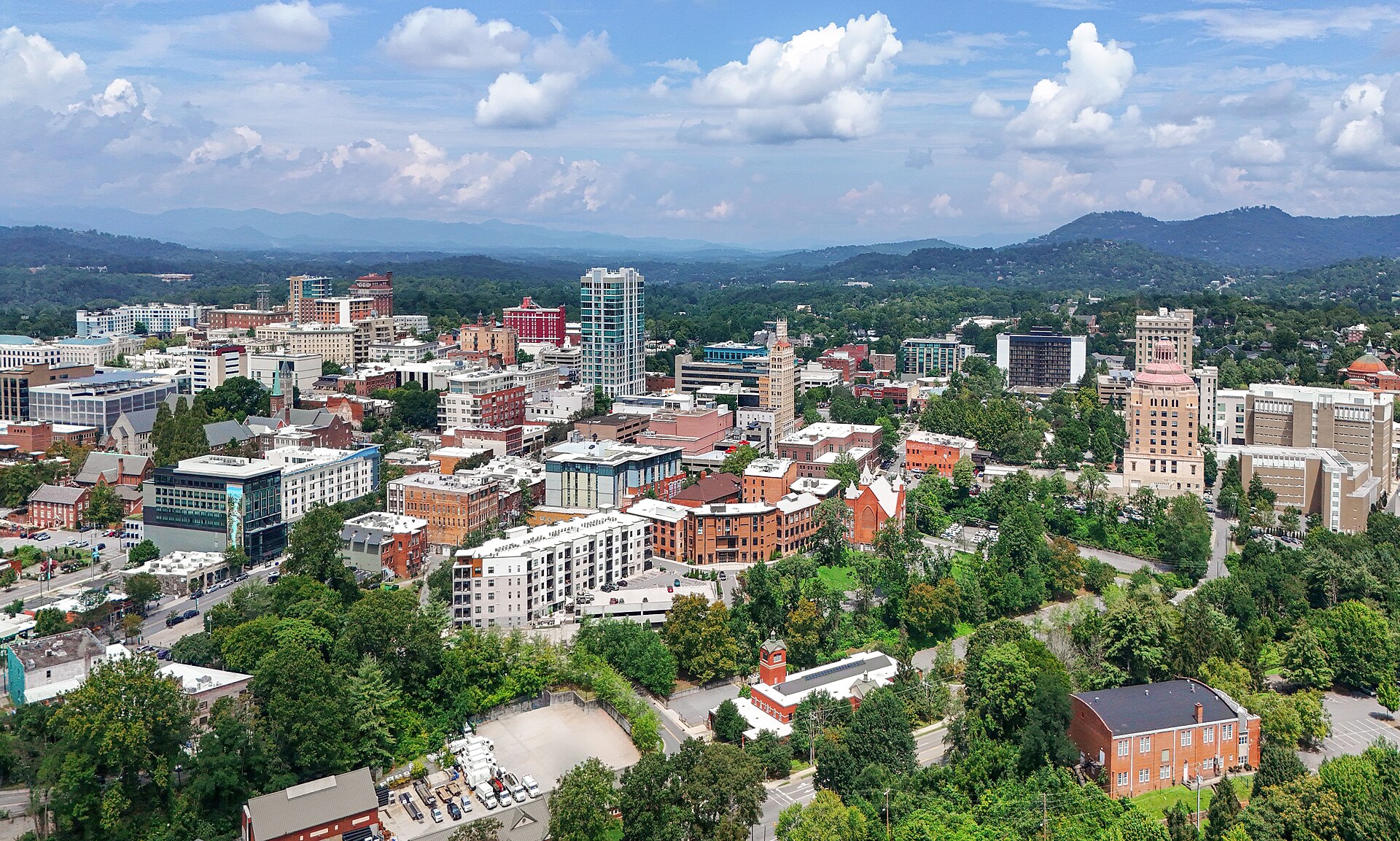
The best things to do in Asheville, NC are touring Biltmore, exploring the River Arts District and downtown, driving the Blue Ridge Parkway to Craggy Gardens and Mount Mitchell, walking the North Carolina Arboretum, and chasing waterfalls in Pisgah National Forest.
Because of the storm, older travel guides can send you to places that have changed. We went through this one in November 2026, and it tells you what we could and couldn’t confirm. Read #16 before you plan any mountain drive, because one closed stretch of the Parkway changes your route.
1. Tour Biltmore House

Start here, as nearly everyone does. Built for George Washington Vanderbilt II and completed in 1895, Biltmore House has 250 rooms, including 35 bedrooms and 43 bathrooms, and it’s still known as America’s largest home. It sits on an 8,000-acre estate that reopened five weeks after Helene.
Good to know: ticket prices change by date, so book ahead on the estate’s site. Plan on most of a day, because the house is only the start.
2. Walk the Biltmore Gardens and Visit the Winery

Frederick Law Olmsted, the landscape architect of New York’s Central Park, shaped these grounds, so give them as much time as the house. Spring brings tulip beds, and fall turns the surrounding hills gold. Finish at the estate’s winery and Antler Hill Village for a glass of something local and a slower pace.
3. Wander Biltmore Village

Just outside the estate gates, Biltmore Village was built to house the people who worked on the estate. Today it’s a walkable pocket of shops and restaurants around the Cathedral of All Souls. This area sits near the river and took serious flooding during Helene, so call ahead to make sure a particular shop or restaurant is open.
4. Look Up in Downtown Asheville

Downtown is compact, hilly and made for wandering, with independent bookshops, galleries and restaurants filling its older buildings. Look up as you go. The architecture spans decades of styles, and half the pleasure is ducking down a side street just to see where it comes out.
5. Step Inside the Grove Arcade

Built between 1926 and 1929, the Grove Arcade reopened in 2002 after a long restoration. Today it holds shops and restaurants on the first floor, with apartments up above. Even if you don’t want to buy anything, go for the winged lions and the sheer ambition of the place.
6. Spend an Afternoon at the Asheville Art Museum

Set right on Pack Square at 2 South Pack Square, the Asheville Art Museum is the obvious pick for a rainy day, with a contemporary collection and changing exhibitions. Hours are 11 a.m. to 6 p.m., and it closes on Mondays and Tuesdays. The museum encourages buying tickets online ahead of time.
7. Read the Rooms at the Thomas Wolfe Memorial

Thomas Wolfe turned his mother’s boardinghouse into “Dixieland” in his 1929 novel Look Homeward, Angel, and many in Asheville didn’t appreciate how recognizably he wrote about them. The Thomas Wolfe Memorial at 52 North Market Street is open from 9 a.m. to 5 p.m. Tuesday to Saturday. Entry is free, and guided tours cost $8 for adults plus tax.
8. Stand Under the Dome at the Basilica of St. Lawrence

Spanish architect Rafael Guastavino designed this Catholic basilica, completed in the early 1900s, and you’re going for his tiled dome. People still worship here and you won’t need long, so step in quietly when you’re passing and make sure no service is under way.
9. Join the Friday Drum Circle

The most Asheville thing you can do costs nothing. From April to October, a weekly drum circle gathers downtown at Pritchard Park on Fridays from around 6 p.m. Bring a drum, dance if the mood takes you, or just sit on a wall with an ice cream and watch. Nobody’s going to mind.
10. Meet the Artists in the River Arts District

More than 200 artists work out of over 20 former industrial buildings along the French Broad River, in a community that dates back to around 1985. Helene hit this part of the city among the hardest, but galleries, studios and stages have since reopened. You won’t find a better souvenir in the state than something bought directly from an artist here, and now it means more.
11. Go Brewery-Hopping on the South Slope

Beer is a big part of life here, and the South Slope at the southern end of downtown packs many of the breweries into a few walkable blocks. Parking is scarce, so leave the car at your hotel. Wedge Brewing, over in the River Arts District, has also returned since the storm.
12. Make Some Noise at the Moogseum

Bob Moog built his famous synthesizers in the Asheville area, and the Moogseum at 56 Broadway Street tells the story of the man and his instrument. Even if you couldn’t name a synthesizer, you’ve almost certainly heard one, and a hands-on museum like this makes a welcome change of pace.
13. Play All Afternoon at the Asheville Pinball Museum

At 1 Battle Square, the Asheville Pinball Museum lets you learn about and actually play dozens of classic games. It fills up quickly, so arrive early. Come here to outlast a mountain thunderstorm, and if you fall in love, some of the machines are even for sale.
14. Stroll Through Montford

Just north of downtown, the Montford Area Historic District is a quiet neighborhood of grand old homes and porches, many of them now bed and breakfasts. Spend a lovely hour on foot here when you want a break from the crowds, and you’ll see how much of old Asheville is still lived in.
15. Have a Drink With a View at the Omni Grove Park Inn

Open since 1913 at 290 Macon Avenue, the Omni Grove Park Inn is known for its enormous Great Hall, its subterranean spa and the sunset views from its terrace. You don’t have to be a guest to enjoy the view. Go for a drink at golden hour, then walk through the Great Hall on your way out.
16. Drive the Blue Ridge Parkway, With the Right Route

A 114-mile stretch of the Parkway has fully reopened around Asheville, reconnecting the Folk Art Center, Mount Mitchell and Graveyard Fields. To the south, look for Graveyard Fields, an open mountain valley popular with hikers and berry pickers.
Read this first: as of November 3, 2026, the National Park Service listed milepost 344.2 to 355.3 as closed for Helene damage, between NC 80 and Mount Mitchell State Park. That means you can’t drive through from the north. Look at the road status page on the morning you go, especially in winter, when icy sections close too.
17. Browse the Folk Art Center

At milepost 382 on the Parkway, the Folk Art Center is the 30,000-square-foot home of the Southern Highland Craft Guild, which dates back to 1930. Expect pottery, weaving and woodwork made by regional craftspeople. Make it your first stop, just a short drive from town.
18. See Craggy Gardens

North of the city, the National Park Service lists the stretch including the Craggy Gardens Visitor Center as open. Up here, the country is high and wind-shaped, and people come in early summer, when the rhododendrons bloom. Bring a jacket even in June, because it’s often much cooler than in town.
19. Stand on the Highest Peak in the East

At 6,684 feet, Mount Mitchell is the highest point east of the Mississippi River. Right now, you can reach the park only from the Asheville side of the Parkway, with no gas stations between the city and the park, so fill up first. Winter brings frequent closures, and the summit restaurant has closed for the year, so bring your own food.
20. Slow Down at the North Carolina Arboretum

Set on 434 acres, the North Carolina Arboretum makes for one of the most relaxing half-days in the area, with a bonsai garden, the National Native Azalea Collection and a garden railroad for kids. Admission is free, but you pay to park. Hours are seasonal, so look them up before you drive out.
21. Meet the Otters at the WNC Nature Center

The 42-acre Western North Carolina Nature Center at 75 Gashes Creek Road focuses on animals native to the region, and the otters are the crowd favorite. Families who need something easy and outdoors will like it, with no long drive.
22. Float the French Broad River

In summer, one of the best things you can do is nothing at all, on a tube. Several local companies rent tubes for calm stretches of the French Broad, including Asheville Adventure Company and Zen Tubing. The storm changed this river, so ask about current conditions and go with an outfitter that knows what’s safe this season.
23. Visit Looking Glass Falls

About an hour south of the city near Brevard, Looking Glass Falls drops about 60 feet right beside US 276, in Pisgah National Forest. You can see it from the roadside, so you won’t find many big waterfalls easier to visit. We couldn’t confirm the current status of every forest road after Helene, so ask the Pisgah Ranger District before you set out.
24. Slide Down Sliding Rock

A few minutes up the road, Sliding Rock is a 60-foot natural waterslide that ends in a cold, deep pool. It’s staffed from Memorial Day through Labor Day, with lifeguards usually on duty from 9 a.m. to 6 p.m., and the listed fee is $5 per person. The water is genuinely cold, and that’s half the fun.
25. Climb Chimney Rock

About an hour southeast of the city, Chimney Rock State Park was badly hit by the storm, but the Chimney Rock attraction is open on its regular schedule again, with paid admission. Some areas are still closed, including the Weed Patch Mountain, Tunnel and Riverwalk trails and all bike trails. Buy your tickets ahead of time, and read the alerts before you go.
Best Free Things to Do in Asheville
Some of the best moments here don’t cost a thing. The Friday drum circle, the River Arts District, a walk through downtown or Montford, the Basilica, the Folk Art Center and the Parkway overlooks are all free. The Arboretum’s admission is free too, as long as you pay for parking. For the free LEAF Downtown festival, look to Pack Square in August.
When to Visit Asheville and How Long to Stay
Fall is the famous season, when the leaves change at different times by elevation and the Parkway gets busy, so book your room early. Spring brings Biltmore’s tulips, and early summer brings Craggy’s rhododendrons. Summer is the time for tubing and waterfalls. In winter, expect quieter streets, Christmas at Biltmore and more road closures up high.
Give yourself three days for Biltmore, downtown and one mountain drive. Five days lets you add Pisgah’s waterfalls and Chimney Rock without rushing.
Visiting After Hurricane Helene
Tourism is a major part of how this region recovers, and local tourism officials are actively asking people to come back. Be a good guest, though. Call to make sure a business is open before you make a special trip, stay out of closed areas and trails, and spend your money locally. If a trail is closed, it’s closed for a good reason.
Where to next? Try our guides to Black Mountain, Waynesville and Blowing Rock, or see the best places to visit in North Carolina for the bigger picture. You can also browse all our travel guides on Decidel.
How we checked this guide: hours, fees, road closures and rules were checked against official and published sources in November 2026. Conditions in western North Carolina can change quickly, so confirm before you go.