25 Best Things to Do in Charleston, SC: History & Harbor
Charleston seems to have been designed for walking slowly. Church steeples rise over cobblestones, pastel houses line the harbor, and the smell of pluff mud drifts in with the tide. The beauty sits alongside a difficult past, though. Much of the wealth behind these houses came from slavery, and you should look at both while you’re here.
The best things to do in Charleston, SC are walking The Battery and Rainbow Row, taking the boat to Fort Sumter, visiting the International African American Museum and Old Slave Mart, touring Middleton Place or Drayton Hall, seeing the Angel Oak, and eating your way down King Street.
This list starts in the historic district and works outward to the plantations and beaches. Read #9 and #10 before you go. Together, they’ll change how you see everything else on this list.
1. Photograph Rainbow Row
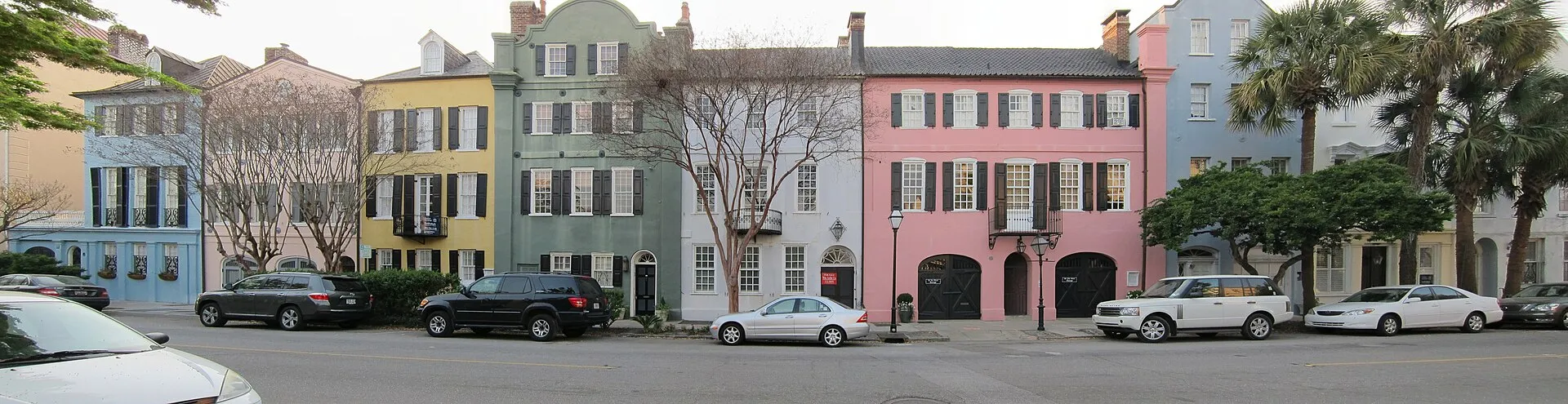
The 13 pastel houses on East Bay Street are the most photographed spot in town. Go early, before the tour groups, when the light is soft and the street is quiet. People live in these houses, so keep off the steps.
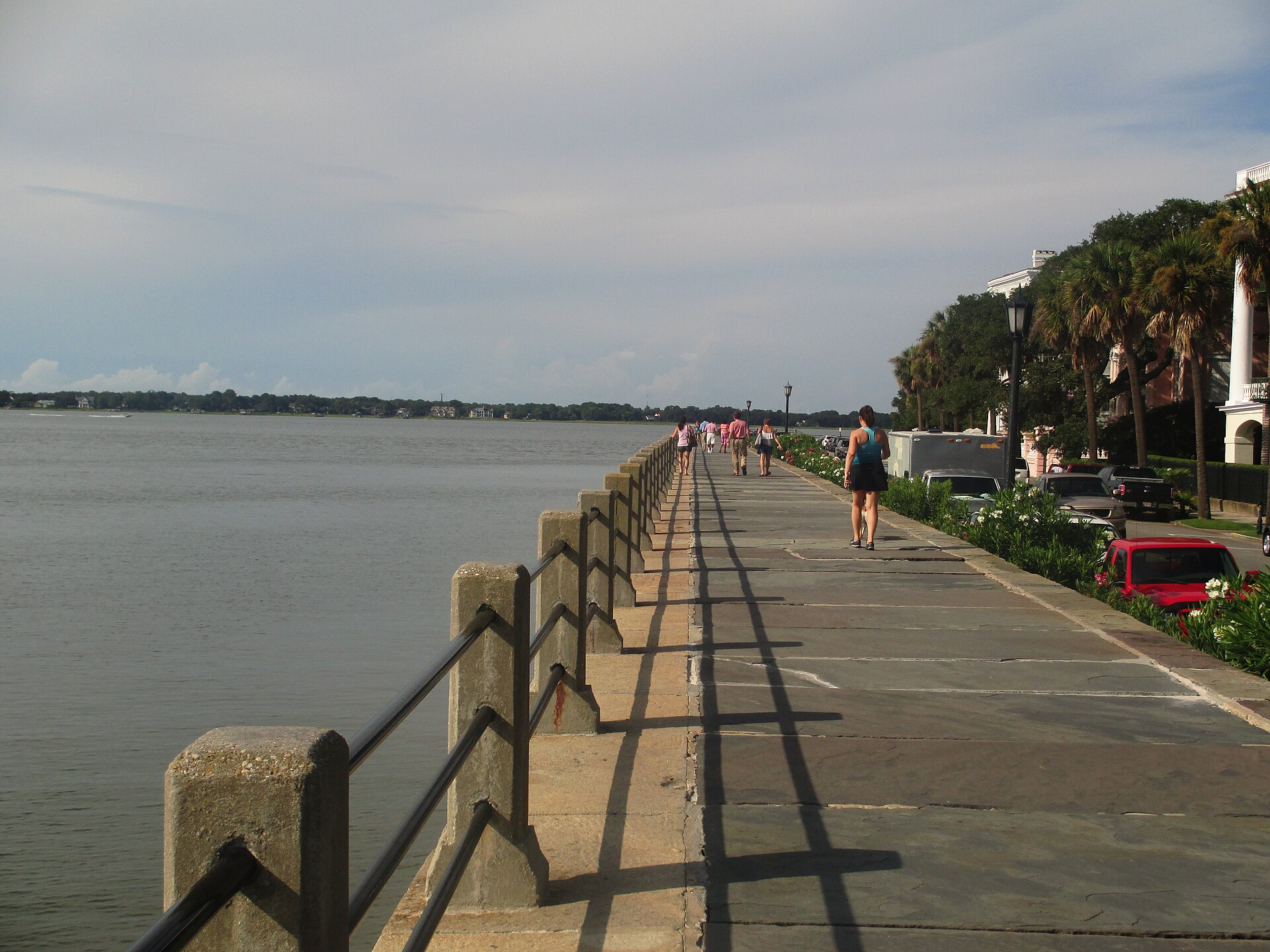
2. Walk The Battery

At the southern tip of the peninsula, The Battery has grand old homes on one side and harbor views on the other. Sit in White Point Garden under the oaks and watch the water. Add Rainbow Row, and you’ve got the best free morning in Charleston.
3. Cool Off at Waterfront Park

This eight-acre park along the Cooper River is free and open daily. The Pineapple Fountain is its famous landmark, and on hot days you’ll see people wading in. Find a swing on the pier and stay for the breeze.
4. Wander the French Quarter

Get lost between Broad and Market Streets. Look for hidden alleys like Philadelphia Alley, wrought-iron gates and walled gardens, the details that make people fall for this city. Skip the map for an hour and follow whatever looks interesting.
5. Browse the City Market

The Charleston City Market runs for several blocks through the middle of downtown. Yes, it’s a little touristy, but you can also see sweetgrass baskets here, a Gullah art form passed down for generations. Talk to the makers, and be prepared to pay fairly for hours of skilled work.
6. See a Show at the Dock Street Theatre

Dating to 1736, the Dock Street Theatre is described as the nation’s first permanent playhouse. The current building has been rebuilt over the years, but plays still go on here, with a real sense of history. See what’s on the calendar and buy a ticket if you can.
7. Eat Lowcountry Food

Charleston is one of America’s best food cities, so save room. Shrimp and grits, she-crab soup and Carolina Gold rice all have deep roots here, many of them in Gullah Geechee cooking. Book your dinner tables well ahead, especially on weekends, and don’t overlook the casual lunch counters.
8. Take the Boat to Fort Sumter

The Civil War began here in April 1861. Fort Sumter sits on an island in the harbor, and you can only reach it by tour boat. The site has no entrance fee, but you’ll need a ferry ticket, so book ahead. You’d enjoy the ride for the harbor views alone.
9. Visit the International African American Museum

Set at historic Gadsden’s Wharf, where a huge number of enslaved Africans first set foot in America, the International African American Museum opened in 2023. Its galleries and genealogy center tell a powerful story, and you can’t understand this city without it. Book your tickets in advance through the museum’s site.
10. Step Inside the Old Slave Mart Museum

At 6 Chalmers Street, this building was once a place where enslaved people were sold. The Old Slave Mart Museum tells that history plainly, right next to some of the prettiest streets in the city. Give yourself time to take it in.
11. Tour a Historic Home

The Nathaniel Russell House, known for its free-flying staircase, shows the extraordinary wealth of the city’s early merchants, and the Aiken-Rhett House has been preserved rather than restored, for a different feeling. Choose the tours that also discuss the lives of the enslaved people who worked there.
12. Visit the Charleston Museum and the Gibbes

The Charleston Museum, founded in 1773, is often called America’s first museum, and you’ll learn the region’s history here. The Gibbes Museum of Art is a smaller, lovely stop for Southern art. Save both for a hot or rainy afternoon.
13. Admire the Custom House

This grand building overlooks the harbor, just around the corner from the Old Exchange and Provost Dungeon, where you can tour a building that dates back to colonial Charleston. Stop at both for a short history fix on a walk around town.
14. Take a Walking Tour

A good guide will show you things you’d never spot on your own. Charleston has many walking tours, covering everything from history and architecture to ghosts. Look for one that’s honest about the city’s past, and consider a Gullah-focused tour, since that history is too often left out.
15. Tour the USS Yorktown at Patriots Point

Across the river at 40 Patriots Point Road, Patriots Point is home to the aircraft carrier USS Yorktown and the destroyer USS Laffey. Hours are 10 a.m. to 5 p.m. daily, and adult tickets are listed at $28 online, with extra for parking. The flight deck views are superb, and kids love it.
16. Walk the Ravenel Bridge

The Arthur Ravenel Jr. Bridge is the modern landmark here, and locals love its pedestrian path for a walk, jog or bike ride, with big views over the harbor. Go at sunrise or sunset, and bring water, because the climb is longer than it looks and you won’t find any shade.
17. Visit Middleton Place

About 30 minutes from downtown, Middleton Place has what are often called the oldest landscaped gardens in America, with terraces, reflecting ponds and a working stable yard. Its interpretation of slavery has grown over the years, so take the time to hear it. Allow at least half a day.
18. See Drayton Hall

Dating from the 1730s and 1740s, Drayton Hall is one of the nation’s great early houses, deliberately preserved rather than restored. In its bare rooms, you can feel the passage of time. The site’s African American cemetery is one of the most moving parts of a visit.
19. Stroll Magnolia Plantation and Gardens

Nearby, Magnolia is known for its romantic gardens, with azaleas at their most spectacular in spring. A boat or tram tour will help you see more of the grounds. You’ll be walking for a long time, so bring comfortable shoes.
20. Drive the Avenue of Oaks at Boone Hall

In Mount Pleasant, Boone Hall is famous for its long avenue of moss-draped oaks, along with brick slave cabins and a lively Gullah presentation. It’s a working farm as well, with seasonal pick-your-own. If you’re staying east of the river, this plantation is the easiest to reach.
21. Stand Under the Angel Oak

On Johns Island, about 30 minutes from downtown, the Angel Oak is a huge live oak with limbs that spread and dip along the ground. It’s said to be several hundred years old, and you can visit for free. Look up the hours before you drive out, because it isn’t open every day, and don’t climb on it.
22. Hit the Surf at Folly Beach

Known locally as the “Edge of America,” Folly Beach is the laid-back surf town of the area, with a lively main street and a fishing pier. Walk to the north end for a view of the Morris Island Lighthouse. Parking rules can change, so read the signs when you arrive.
23. Relax on Sullivan’s Island

Sullivan’s Island is a quieter, more upscale beach, with good restaurants and Fort Moultrie, which shows 171 years of coastal defense history. The island also played an important part in the history of the slave trade. Combine it with neighboring Isle of Palms for a full beach day.
24. Take a Harbor Cruise

The skyline looks its best from the water, with steeples rising over the rooftops. End a day with a sunset cruise, and you may see dolphins along the way. Keep an eye on the weather, because summer storms can appear quickly.
25. Shop King Street

King Street is the main shopping street, with antiques on the lower end, fashion in the middle and restaurants and bars toward the top. Walk its length at least once, and pop onto the side streets for smaller boutiques. Start at Saturday’s Farmers Market at Marion Square.
Best Free Things to Do in Charleston
Many of the best experiences here cost nothing. Walk Rainbow Row, The Battery, Waterfront Park, the French Quarter and the City Market for free. Explore the old churches, many of which welcome respectful visitors, and see the Angel Oak on its open days. Walking the Ravenel Bridge is also free.
When to Visit Charleston and How Long to Stay
Spring is the classic season, with azaleas in bloom and the Spoleto Festival arriving in late May. Fall is just as nice, with warm water and cooler nights. Summers are hot and humid, so walk early and head to the beach or a museum in the afternoon. Winter is mild and quieter.
Three days is enough for the historic district and one plantation. Five days lets you add a beach, Patriots Point and a slower pace, and you came here to slow down.
Getting Around
You can walk nearly everywhere in the historic district, and the free DASH trolley helps in the heat. You’ll need a car or tour for the plantations and beaches. Parking downtown can be expensive, so consider leaving your car at your hotel.
Where to next? Try our guides to Hilton Head, Myrtle Beach and Columbia, or see the best things to do in South Carolina for the whole state. You can also browse all our travel guides on Decidel.
How we checked this guide: hours, fees and rules were checked against official and published sources in November 2026. They can change, so confirm with the venue before you go.