20 Best Things to Do in North Georgia: Falls, Towns & Wine
Tell someone you’re going to Georgia, and they’ll picture peaches, moss and Savannah. North Georgia is something else altogether. Up here, the Blue Ridge Mountains rise to more than 4,700 feet. The Appalachian Trail begins on a quiet summit, waterfalls drop hundreds of feet, and a gold rush happened a full two decades before California’s. You’re also only a couple of hours from Atlanta, so you can leave work on Friday and be standing in the woods by dinner.
The best things to do in North Georgia are hiking Amicalola Falls and Tallulah Gorge, exploring Dahlonega’s gold rush history, wandering Bavarian-style Helen, riding the Blue Ridge Scenic Railway, standing atop Brasstown Bald, tasting wine in the mountains, and picking apples in Ellijay.
Distances look small on a map, but the roads wind. Choose one or two bases instead of trying to see it all, and you’ll enjoy it much more.
Waterfalls and Gorges
1. Climb Amicalola Falls

Amicalola Falls, Georgia’s tallest waterfall, drops 729 feet, and a moderate half-mile hike gets you to a viewpoint. You’ll find it about 15 miles west of Dahlonega.

Hundreds of stairs climb beside the water if you want a workout, and a lodge waits up top. Go early on fall weekends, because the lots can fill quickly.
2. Hike Tallulah Gorge

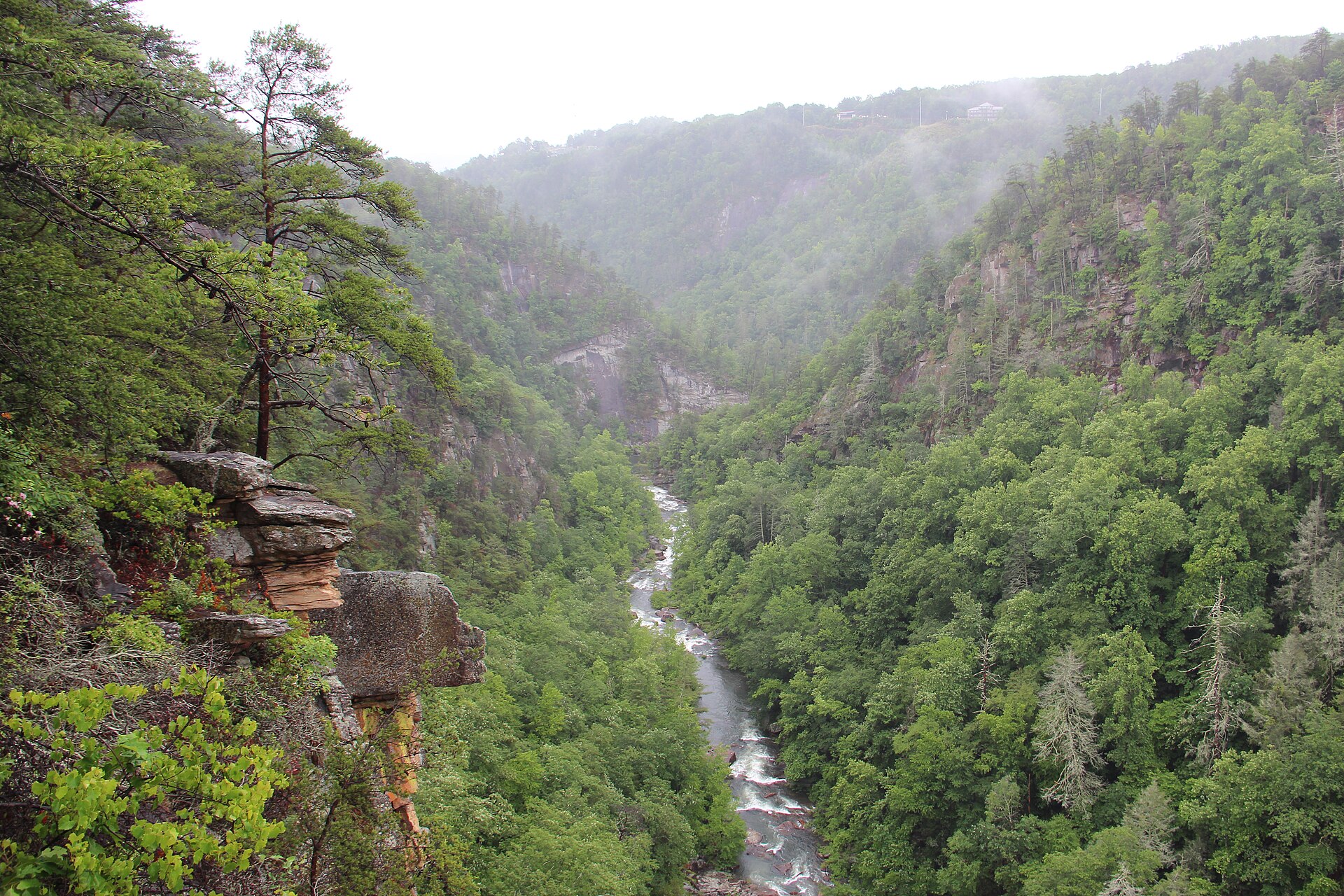
Often called the Grand Canyon of the South, Tallulah Gorge is roughly 1,000 feet deep, with several waterfalls. A suspension bridge swings high over the river, so think twice if you hate heights. You need a permit to reach the gorge floor, and they’re limited each day, so arrive early.
3. See Anna Ruby Falls

Near Helen, two creeks drop side by side to form this twin waterfall, reached by a paved half-mile trail. Few waterfall walks in the state are easier or prettier, so bring the kids. The U.S. Forest Service runs it, so look up the current fee and hours.
4. Find Dukes Creek Falls

Just north of Helen on the Richard B. Russell Scenic Highway, this trail leads down through the woods to a series of falls. The walk is moderate, and you’ll have to climb back up, so bring water. You’ll usually find fewer people than at the bigger parks, particularly on weekdays.
5. Marvel at Toccoa Falls

On the campus of Toccoa Falls College, this waterfall drops about 186 feet, and you can hardly believe how easy it is to reach. A short, flat walk takes you right to its base. You’ll pay a small entrance fee at the gift shop. Stop on your way into the mountains if you’re coming from the east.
6. Hike Cloudland Canyon

Way up in the northwest corner of the state, Cloudland Canyon State Park has dramatic overlooks, deep sandstone gorges and waterfalls. Georgia has few prettier state parks, though you’ll have some stairs to deal with. You’re closer to Chattanooga than Atlanta here. Ask about trail conditions and parking before you go.
Mountain Towns
7. Pan for Gold in Dahlonega

Dahlonega was the site of America’s first major gold rush, in 1828, two decades before California’s. The square has shops and restaurants, and you can take a mine tour or try gold panning nearby. Come for a weekend, particularly in the fall.
8. Visit the Dahlonega Gold Museum

On the square, the Dahlonega Gold Museum Historic Site sits in an old courthouse and tells the story of the rush. It also deals with the darker side, as the gold rush helped push the Cherokee off their land and led to the Trail of Tears. Look up hours before you go.
9. Wander Through Helen

Helen is a tiny Bavarian-inspired village that remade itself in the 1960s to attract tourists. Expect kitsch and cheer, with beer halls, gingerbread facades and a long-running Oktoberfest. Don’t overthink it. Tube down the Chattahoochee River in summer, eat a bratwurst, and have fun.
10. Ride the Blue Ridge Scenic Railway

From downtown Blue Ridge, this vintage train follows the Toccoa River to the twin towns of McCaysville and Copperhill, on the Georgia-Tennessee line. You’ll get a stop there to wander across the state border. Families love it, and it sells out during leaf season, so book as far in advance as you can.
11. Stroll Blue Ridge

The lively downtown has turned Blue Ridge into one of the most popular mountain getaways in the state, with galleries, shops and good restaurants. Rent a cabin for a weekend. Traffic can get heavy in October, so plan to walk once you’re parked. Blue Ridge Lake is nearby if you want to get on the water.
12. Pick Apples in Ellijay

Known as Georgia’s apple capital, Ellijay opens its orchards each fall for picking, cider and fried pies. Families have made this trip for generations. Go on a weekday in late September or October if you can, because roads around the orchards can get painfully slow on peak weekends.
Peaks and Trails
13. Stand on Brasstown Bald

Georgia’s highest point, at 4,784 feet, has a visitor center and an observation deck with views into several states on a clear day. Walk up a steep paved trail from the parking area, or take a shuttle when it’s running. The site closes for part of the year, so look up current hours and fees with the forest service.
14. Hike the Start of the Appalachian Trail

The trail’s southern end sits atop Springer Mountain, and thru-hikers start out from here every spring on the long walk to Maine. Get a taste with a day hike, or take the approach trail from Amicalola Falls. You’ll enjoy saying you’ve done it. Blood Mountain is another classic day hike along the trail, but it’s steep.
15. Relax at Vogel State Park

One of Georgia’s oldest state parks sits at the base of Blood Mountain, with Lake Trahlyta at its center and cabins built by the Civilian Conservation Corps. In fall, the colors reflected in the lake are hard to beat. Short trails make it an easy stop. Book cabins well ahead, since they go quickly.
16. Camp at Black Rock Mountain

Georgia’s highest state park sits above 3,000 feet near Clayton, with cool air and big views. Head here in summer when the lowlands are sweltering. The overlooks are great at sunrise, and you’ll usually find far fewer people than at Amicalola. Ask about campsite availability, particularly around peak leaf season.
17. Drive the Mountain Roads
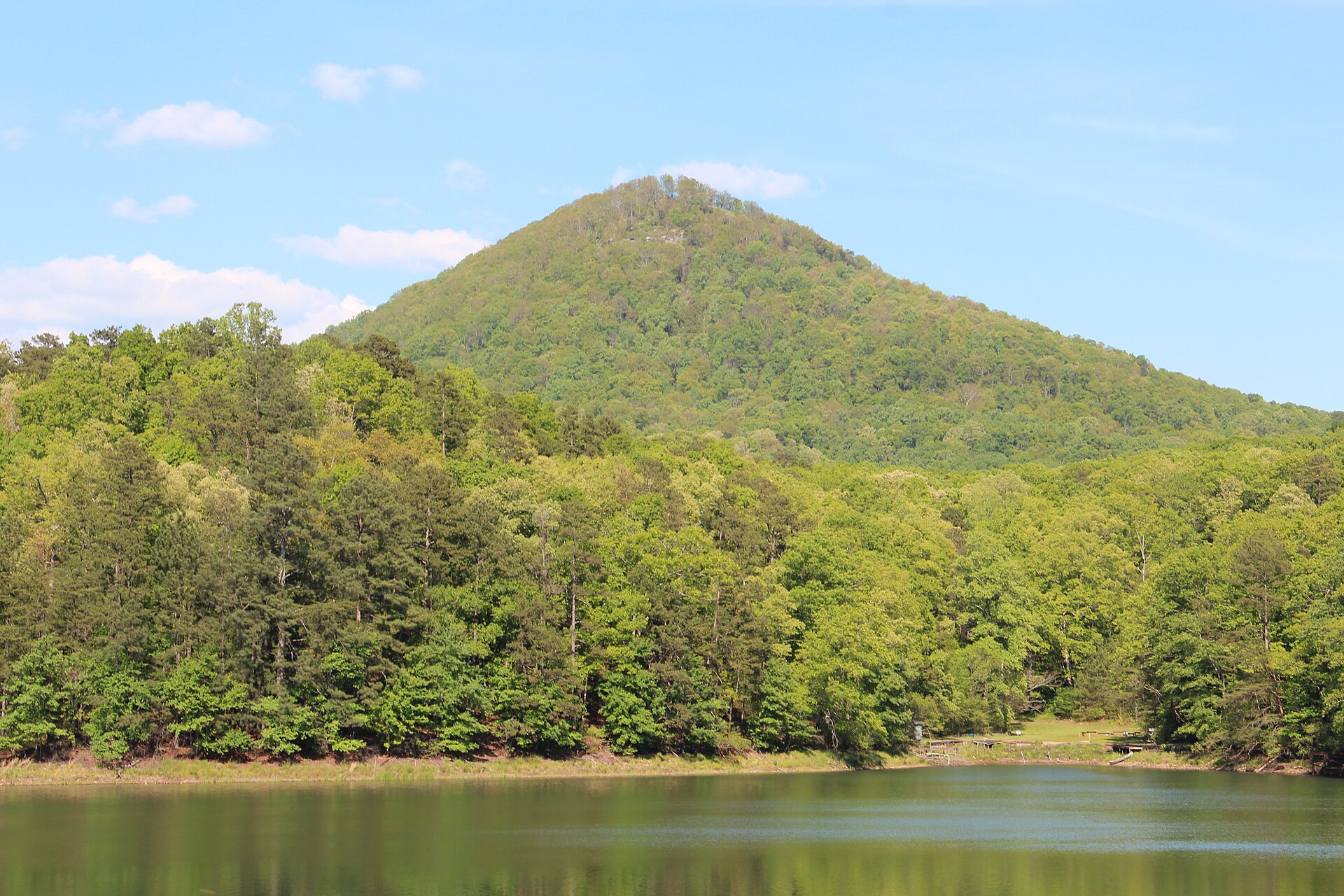
The Russell-Brasstown National Scenic Byway loops through some of the best scenery in the region, especially in fall. Sharp Top Mountain and the rolling hills around Jasper are another fine stretch. Take your time on the curves and watch for motorcycles. Cell service can get spotty, so download your maps first.
Wine and Food
18. Taste the Georgia Wine Highway

North Georgia has a real wine scene now, with vineyards around Dahlonega and beyond. Spend an afternoon along the Georgia Wine Highway, ideally in October at harvest. Wolf Mountain Vineyards, known for its views and sparkling wines, is one name you’ll hear often. Pick a designated driver or book a tour.
19. Eat Family Style at a Mountain Restaurant

Southern mountain cooking is hearty, with fried chicken, biscuits and plenty of vegetables. Look for local spots that serve family style. Ask at your cabin or hotel for recommendations, since local favorites come and go. Don’t miss boiled peanuts from a roadside stand.
20. Raft the Chattooga or Ocoee

For a shot of adrenaline, the rivers here offer some fantastic whitewater. The wild and scenic Chattooga forms part of the border with South Carolina, and the Ocoee sits just over the Tennessee line. Go with a licensed outfitter, and ask about age limits and water levels before you book.
When to Visit and How Long to Stay
Fall is the star, with peak color usually arriving in mid to late October, along with the biggest crowds. Spring has wildflowers and waterfalls at full power. Summer is cooler than Atlanta and great for lakes and rivers. Winter is quiet, with the occasional dusting of snow and much cheaper cabins. Plan on a long weekend for one area, or about a week to take in several towns without rushing.
Where to next? Try our guides to Jasper, Alpharetta and Asheville, or see the best places to visit in Georgia for the bigger picture. You can also browse all our travel guides on Decidel.
How we checked this guide: details were checked against official and published sources in November 2026. Permits, fees and schedules can change, so confirm with the park or operator before you go.