25 Best Things to Do in Flagstaff, AZ: Peaks, Pines & Stars
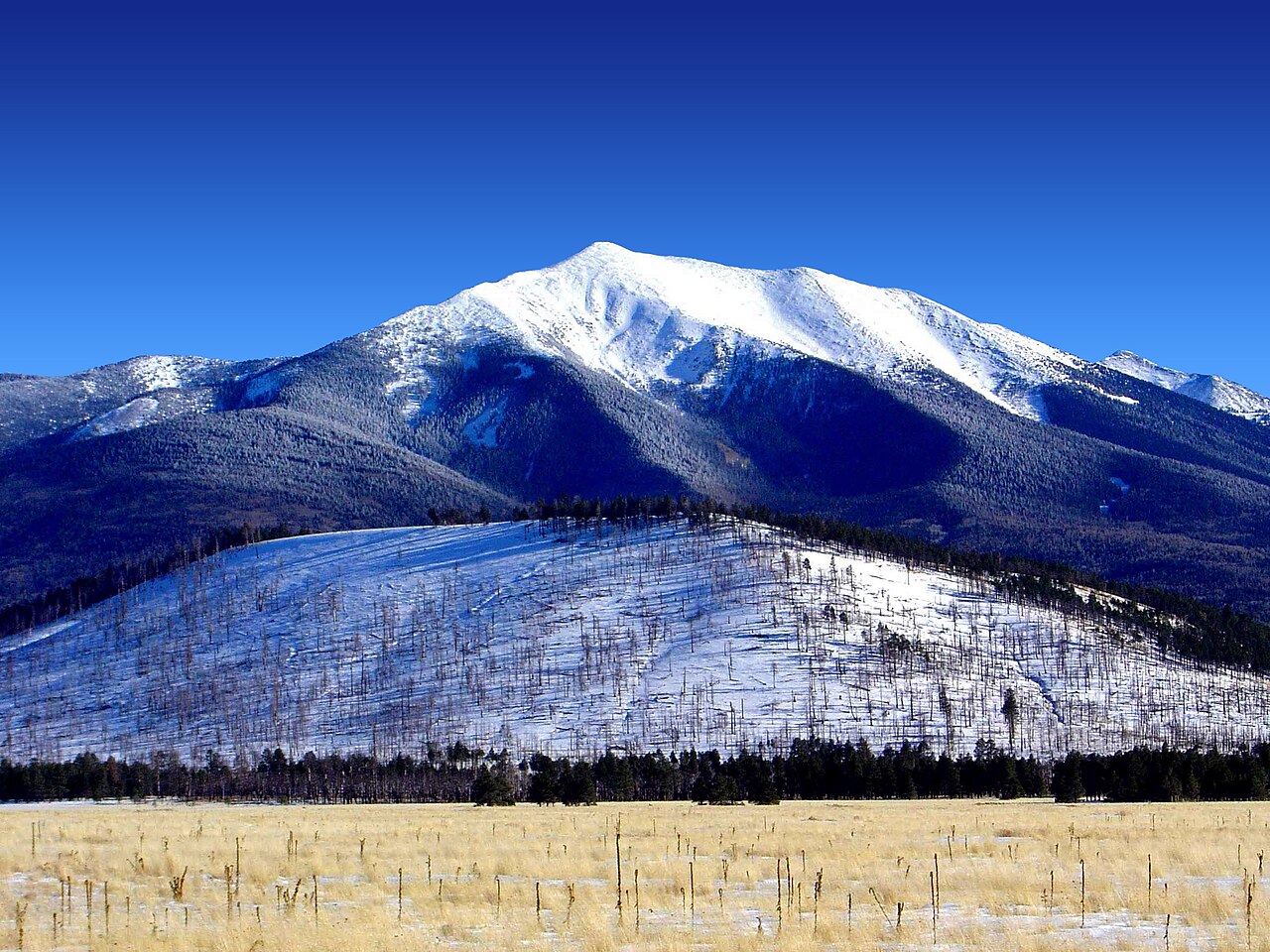
Flagstaff is a mountain college town at about 7,000 feet, surrounded by a huge ponderosa pine forest and watched over by the San Francisco Peaks. It’s an easy base for the Grand Canyon, about 81 miles away, but it’s worth time of its own. Old Route 66 runs through a lively brick downtown, trains rumble past, and in 2001 Flagstaff became the world’s first International Dark Sky City.
The best things to do in Flagstaff, Arizona are stargazing at Lowell Observatory, walking historic downtown and Route 66, visiting the Museum of Northern Arizona, exploring Walnut Canyon, Sunset Crater and Wupatki, hiking Humphreys Peak, skiing or riding the lift at Arizona Snowbowl and day-tripping to the Grand Canyon.
Flagstaff’s high elevation means cool summers, snowy winters and thin air, so drink plenty of water and take it slow on your first day.
1. Stargaze at Lowell Observatory

Lowell Observatory, on Mars Hill above downtown, was founded in 1894, and Pluto was discovered here in 1930. Come in the evening to look through telescopes at planets, star clusters and the moon. Lowell Observatory doesn’t need a reservation for general admission, but it’s closed on Tuesdays and some holidays, so check first.
2. Walk Historic Downtown Flagstaff

Historic downtown Flagstaff is a grid of brick buildings from the late 1800s and early 1900s, with local shops, cafes, bars and restaurants along Route 66 and San Francisco Street. Park once and walk, since everything is close. Look up at the old hotel signs and the peaks behind them.
3. Have a Drink at the Weatherford Hotel

The Weatherford Hotel opened on January 1, 1900, and still stands on Leroux Street in downtown Flagstaff. Stop in for a drink or a meal in the historic building. The Orpheum Theater, a music venue, is nearby.
4. Watch the Trains on Route 66

The railroad built Flagstaff, and trains still run through downtown beside Route 66. The 1926 Santa Fe depot is an Amtrak station that also houses the visitor center, so stop in for maps and advice. Look for the old locomotive on display nearby.
5. Follow the Flagstaff Ale Trail

Flagstaff has a big brewery scene for a town its size, and many of the breweries are in and around downtown. Beaver Street Brewery is a long-running favorite with a patio. Ask at the visitor center for a brewery trail map and walk between stops.
6. Catch a Summer Event in Heritage Square

Heritage Square is the plaza on Aspen Avenue in the middle of downtown Flagstaff, and it’s one of the town’s most popular public spaces. Check what’s on when you visit, especially in summer. The old Babbitt Brothers building is close by.
7. Visit the Museum of Northern Arizona

The Museum of Northern Arizona, founded in 1928, covers the art, culture and natural history of the Colorado Plateau, with Native art, fossils and geology in a handsome stone building. Its Heritage Festival brings Native artists together. Check the event dates before you plan around one.
8. Tour Riordan Mansion State Historic Park

Riordan Mansion State Historic Park preserves a 1904 Arts and Crafts home built for two lumber-baron families. Guided tours run hourly and show the original furniture and family belongings. Winter hours are shorter, so check the schedule.
9. Walk the Northern Arizona University Campus

Northern Arizona University sits on the south side of downtown, with red sandstone buildings, wide lawns and pine trees. Walk around Old Main and the older part of campus. NAU’s sports and arts events bring the town to life during the school year.
10. Walk Through The Arboretum at Flagstaff

The Arboretum at Flagstaff is a garden in the pine forest southwest of town, with native plants and walking trails. It’s a warm-season stop, so check that it’s open before you drive out. Summer is the time for wildflowers.
11. Explore Walnut Canyon National Monument

Walnut Canyon National Monument, southeast of Flagstaff, protects cliff dwellings built by the Sinagua people in the walls of a deep canyon. The Island Trail goes down 240 stairs and passes 25 rooms tucked under ledges in about a mile. Take the climb back up slowly at this altitude.
12. Walk the Lava Flow at Sunset Crater

Sunset Crater Volcano National Monument, north of Flagstaff, protects a cinder cone that erupted around the year 1085, leaving black lava fields that still look fresh. Walk the lava flow at the foot of the cone. The cone itself has been closed to hikers since 1973.
13. See the Pueblos at Wupatki

Wupatki National Monument shares a loop road with Sunset Crater, and its red stone pueblos were a center of trade in the early 1100s. Walk the trail at Wupatki Pueblo to see the ball court and the blowhole, where air rushes out of the ground. Allow half a day for both monuments.
14. Hike Humphreys Peak

Humphreys Peak is the highest point in Arizona at just over 12,630 feet, and its summit trail is about 9 to 10 miles round trip with 3,400 feet of climbing. It’s a hard day hike at high altitude. Start early, turn back if storms build, and save it for summer or early fall, when the trail is clear.
15. Ski or Ride the Lift at Arizona Snowbowl

Arizona Snowbowl, on the San Francisco Peaks about 15 miles from town, is one of Arizona’s main ski areas, with a top elevation of about 11,500 feet. In summer, scenic gondola rides go up for long views. Check the season and conditions, since snow varies from year to year.
16. See the Aspens on the Inner Basin Trail

The Inner Basin Trail climbs into an old volcanic basin in the San Francisco Peaks, through one of the area’s best aspen groves. In late September and early October, the leaves turn gold. The 2022 Pipeline Fire affected the access road, so check with the Coconino National Forest before you go.
17. Picnic at Lockett Meadow

Lockett Meadow is a high mountain meadow ringed by aspens, reached by a rough, narrow dirt road. It’s normally a spring-to-fall trip, and fire damage has limited car access in recent years. Ask the Coconino National Forest if the road is open, or you may have to walk in.
18. Walk Through Lava River Cave

Lava River Cave, northwest of Flagstaff, is a lava tube about three-quarters of a mile long, formed when the outside of a lava flow cooled while molten rock kept moving. It’s cold and pitch dark inside all year. Bring two light sources and warm clothes, and know that the forest roads to it are usually closed in winter.
19. Hike Mount Elden

Mount Elden rises about 2,400 feet above Flagstaff’s east side, and a steep trail climbs it for views over the town. For an easier walk, try one of the loops on the lower slopes. Both are close to town, so check for closures first.
20. Drive Down Oak Creek Canyon

Oak Creek Canyon connects Flagstaff to Sedona along Highway 89A, dropping from pine forest into red rock through tight switchbacks. Stop at Oak Creek Vista at the top for the view. The 2026 Pocket Fire closed the road for weeks, and the West Fork Trail is closed into late February 2027, so check alerts.
21. See Meteor Crater

Meteor Crater, east of Flagstaff off I-40, is about a mile wide and 550 feet deep, left by an impact about 50,000 years ago. The privately run visitor center has viewing decks. Combine it with Route 66 towns like Winslow.
22. Day-Trip to the Grand Canyon

The Grand Canyon’s South Rim is about 81 miles from Flagstaff, making it an easy day trip. Start at Mather Point, walk the Rim Trail and drive the Desert View road for more viewpoints. Leave early to beat the lines at the entrance gate.
23. Visit Williams and the Grand Canyon Railway

Williams is a small Route 66 town about 30 minutes west of Flagstaff, home of the Grand Canyon Railway, which runs from the old depot to the South Rim. Walk the old main street with its neon signs and diners. In winter, the railway runs holiday trains for families.
24. Drive Through Bearizona

Bearizona Wildlife Park, in Williams, is a drive-through park where black bears, wolves, bison and other North American animals roam large enclosures. Drive the loop slowly, then walk the area with smaller animals and a bird show. Kids love it, and it’s a good stop on the way to the Grand Canyon.
25. Play in the Snow

Flagstaff averages more than 100 inches of snow a year, and families come up from Phoenix to sled and play in it. Use designated snow play areas, and never park on the shoulder of the highway. Check road conditions before you drive, since storms can close roads quickly.
Best Free Things to Do in Flagstaff
The best free things to do in Flagstaff are walking historic downtown, watching the trains, spending time in Heritage Square, hiking Mount Elden, exploring Lava River Cave and walking the NAU campus. On a clear night, stepping outside of town to see the stars costs nothing at all.
When Is the Best Time to Visit Flagstaff?
The best time to visit Flagstaff is from late May to early October, when days are mild and the high trails are snow-free. September and early October bring golden aspens and fewer crowds. July and August have afternoon monsoon storms, so hike early. Winter, from December to March, is ski and snow season.
How Many Days Do You Need in Flagstaff?
Three days in Flagstaff is about right: one for downtown, Lowell Observatory and the Museum of Northern Arizona, one for Walnut Canyon, Sunset Crater and Wupatki, and one for a Grand Canyon day trip. Add a day for Humphreys Peak or Snowbowl.
Where to next? Flagstaff fits into a bigger Arizona trip, so see our list of the 30 best things to do in Arizona, our guide to Sedona down Oak Creek Canyon, and the best places to visit in Arizona by season. You can also browse all our Arizona guides.
How we checked this guide: the main facts were checked against park, town and reference sources in November 2026, and some smaller details come from local listings. Hours, road closures and snow conditions change, so confirm with each place before you go.