Best Beaches in South Carolina: The Whole Coast Compared
South Carolina has about 187 miles of coastline, and the beaches change a lot as you drive down it. The north end is wide, busy and built for families. The middle mixes surf towns and quiet islands near Charleston. The south end gets wilder, with palm forests and sand you can have almost to yourself. Pick the wrong one and you’ll spend your vacation stuck in traffic, or wondering where all the restaurants went.
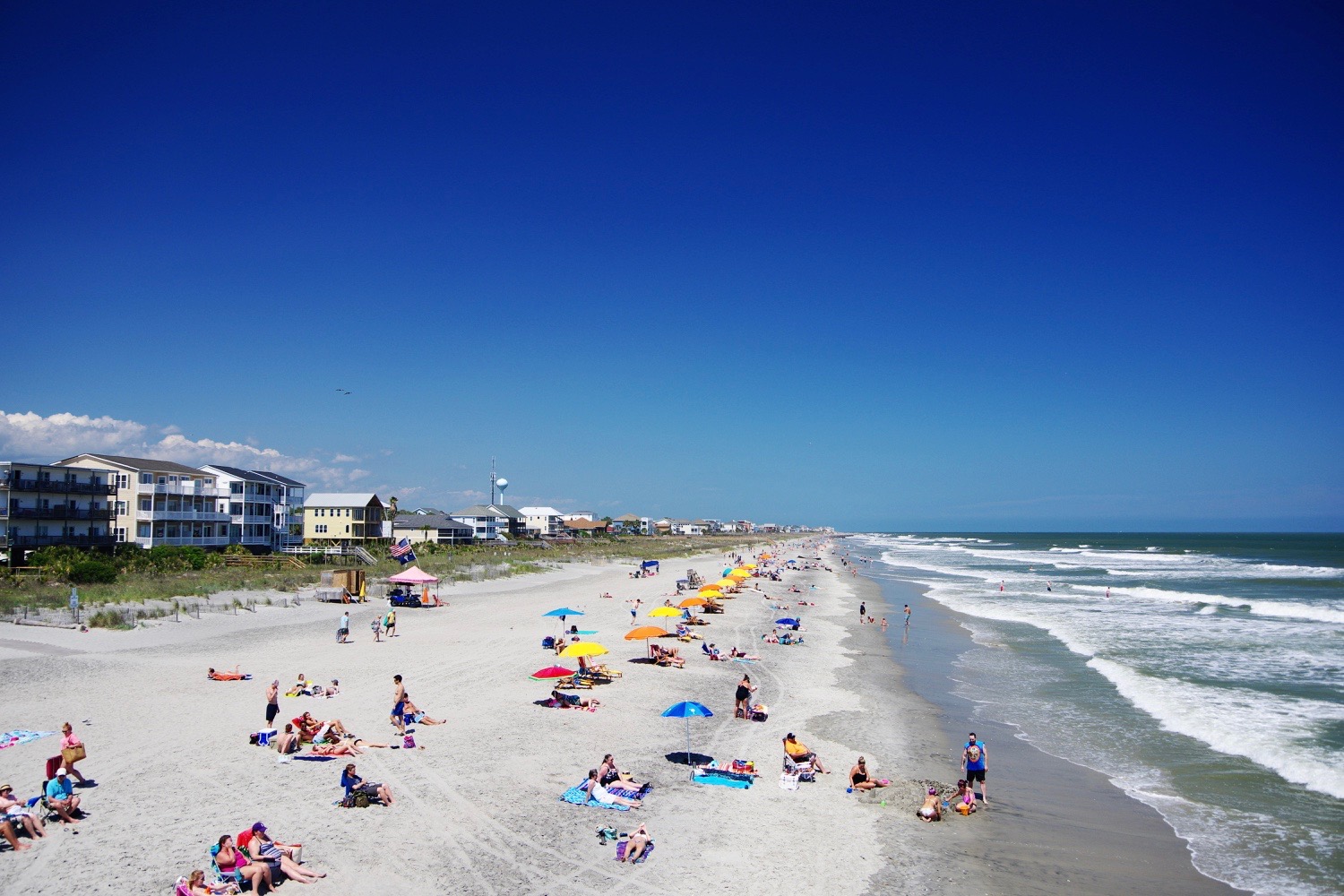
The best beaches in South Carolina are Myrtle Beach for families and entertainment, Huntington Beach State Park for nature, Isle of Palms for an easy resort-style day, Folly Beach for surfing and a laid-back town, Edisto Beach for a slow old-fashioned trip, Hilton Head Island for bikes and polish, and Hunting Island for wild scenery.
Here’s how they compare at a glance. The details, including parking and rules, come after that.
| Beach | Best for | The feel |
|---|---|---|
| Myrtle Beach | Families and entertainment | Busy and bright |
| North Myrtle Beach | Family trips with less noise | Wide and friendly |
| Huntington Beach State Park | Nature and birding | Natural and protected |
| Pawleys Island | Quiet walks | Old-fashioned and low-key |
| Isle of Palms | An easy Charleston beach day | Polished and popular |
| Sullivan’s Island | A simple day near the city | Residential and quiet |
| Folly Beach | Surfing and casual food | Relaxed beach town |
| Edisto Beach | Shelling and slowing down | Unhurried, few big hotels |
| Hilton Head Island | Biking and resorts | Planned and tidy |
| Hunting Island | Wild scenery | Undeveloped |
The Grand Strand
Myrtle Beach: Best for Families and Entertainment

If you want everything within walking distance of your towel, come here. You’ll find wide, flat sand, a Boardwalk, a giant wheel and plenty of rooms along the water. Summer crowds are heavy, so arrive early, and watch for rules that vary from one block to the next.
North Myrtle Beach: Best for a Friendlier Family Trip

Head north for wide sand and a more relaxed pace, with Cherry Grove Pier and shag dancing on Ocean Drive. You’ll still find plenty going on, with more room to spread out. Cherry Grove also has marsh views on the back side, a pretty change from the ocean.
Huntington Beach State Park: Best for Nature

Many locals will tell you this is the prettiest beach on the Grand Strand. The park has a long stretch of undeveloped sand, a marsh boardwalk that birders love and a good chance of seeing alligators. Huntington Beach State Park charges an entry fee, and the lots can fill on summer days, so come early.
Pawleys Island: Best for a Quiet Walk

Pawleys has no boardwalk, no high-rises and almost nothing to buy on the island itself, and regulars love it for that. Public access points are limited and fill up in season, so go early, bring everything you need, and leave the speakers at home.
Around Charleston
Isle of Palms: Best for an Easy Beach Day

Isle of Palms is well set up for a day trip. Isle of Palms County Park has lifeguards in season, along with restrooms and showers, so choose it if you have kids. The 445 parking spaces usually fill by mid-morning on weekends and holidays, so don’t sleep in. Our full guide covers the best things to do in Isle of Palms.
Sullivan’s Island: Best for a Simple, Quiet Day

Just across Breach Inlet, Sullivan’s is residential and low-key, with no hotels on the sand and a small cluster of restaurants. The beach has no public restrooms or lifeguards, so plan accordingly. Don’t swim at Breach Inlet between the islands, because the currents there are dangerous.
Folly Beach: Best for Surfing and a Beach-Town Feel

Folly is the casual, slightly scruffy surf town near Charleston, with a walkable main street, a long pier and a distant view of the Morris Island Lighthouse. Parking is the challenge. The city lists paid parking in its lots and on Arctic Avenue from 8 a.m. to 10 p.m., with free parking on side streets if all four tires are off the pavement. Read the signs carefully, because tickets are common.
Kiawah Island: Best for a Polished Day

Most of Kiawah is a private resort community, but Beachwalker Park gives the public a way onto its long, wide beach. Families get calm and a real sense of space. Make the extra drive if you’re staying near Charleston and want a less crowded beach.
The Lowcountry
Edisto Beach: Best for Slowing Down

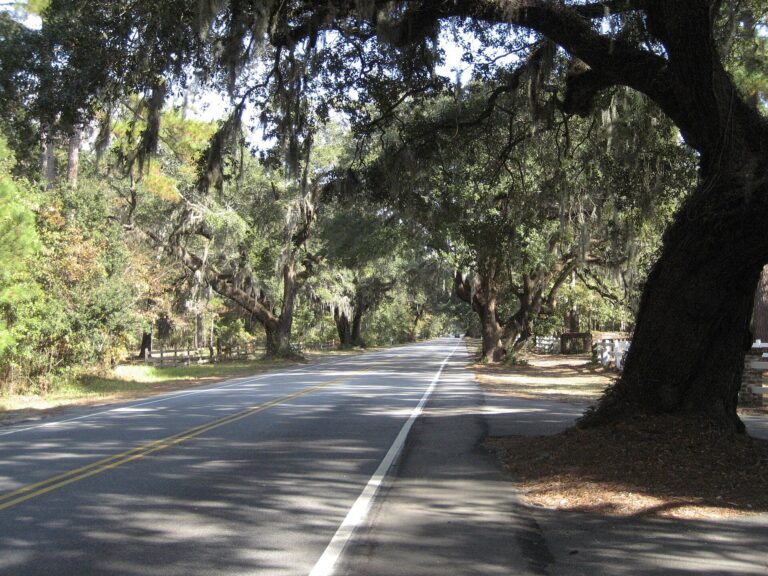
Edisto is what people mean when they talk about the old South Carolina coast. You’ll find few big hotels and no real nightlife, just rental houses, a state park and shells on the sand after a good tide. The drive in, under live oaks and past farm stands, is part of the trip.
Hilton Head Island: Best for Biking and Resorts

Hilton Head has roughly 12 miles of beach and more than 60 miles of public paths. At low tide, the sand gets firm enough to ride a bike along the water. First-timers should start at Coligny. Elsewhere, parking and access can be limited, especially inside the gated communities.
Hunting Island: Best for Wild Scenery

Hunting Island State Park, east of Beaufort, has a palm-filled maritime forest, a historic lighthouse and a shoreline that storms keep reshaping. Photographers come for the fallen trees along the beach. Ask the park what’s open before you go, since storms can close things.
Which South Carolina Beach Is Best for You?
With young kids, go to Isle of Palms County Park, Myrtle Beach or North Myrtle Beach, where you’ll have lifeguards in season and restrooms close by. For a beach with no development, choose Huntington Beach or Hunting Island. On a couple’s trip, Folly gives you a fun town, and Pawleys and Edisto give you peace and quiet. If you’re staying in Charleston without much time, Isle of Palms and Sullivan’s Island are about the easiest to reach.
Beach Rules to Know Before You Go
Don’t assume you can bring a cooler of beer. Many South Carolina public beaches restrict alcohol, and on Hilton Head, drinking on public beaches can lead to a fine of up to $500. Rules vary by town and they do change, so ask the local government for the beach you’re visiting. The same goes for dogs, which are often restricted during the summer months.
Sea turtles nest along this coast in summer. Fill in your holes, take your gear with you at night, and keep lights off near the sand. Swim near a lifeguard when you can, and always pay attention to rip current warnings and flags.
When Is the Best Time to Visit South Carolina’s Beaches?
The best months to visit South Carolina’s beaches are May and September, with warm water and thinner crowds. July and August are hot and busy. Hurricane season runs from June through November, usually peaking from August through October, so book a refundable room if you can and watch the forecast. In winter, the beaches are empty and lovely for a long walk, but the water is cold, and some businesses cut back their hours.
Where to next? See the best places to visit in South Carolina for the bigger picture. You can also browse all our travel guides on Decidel.
How we checked this guide: the main facts were checked against park, town and reference sources in November 2026, and some smaller details come from local listings. Beach rules, fees and parking change often, so confirm with the town or park before you go.